
Spider Control in the USA
Spartan Pest Solutions addresses Spider Control by first mapping where spiders enter structures. Technicians trace cracks around foundations and utility penetrations because these openings allow spiders to move indoors while following insect prey. Moisture accumulation behind siding or in crawl spaces draws additional prey and supports web building. The team measures gap widths and notes existing webs to determine treatment zones without unnecessary product use.
Homeowners can reduce immediate spider pressure by vacuuming visible webs and egg sacs from corners and under furniture. Removing stacked boxes and clutter eliminates hiding spots. Sealing obvious exterior cracks with caulk stops new entry until technicians arrive. These steps limit new webs but do not address hidden populations in wall voids or attic insulation. Before any visit Spartan Pest Solutions asks clients to note spider control sightings on exterior walls in USA.
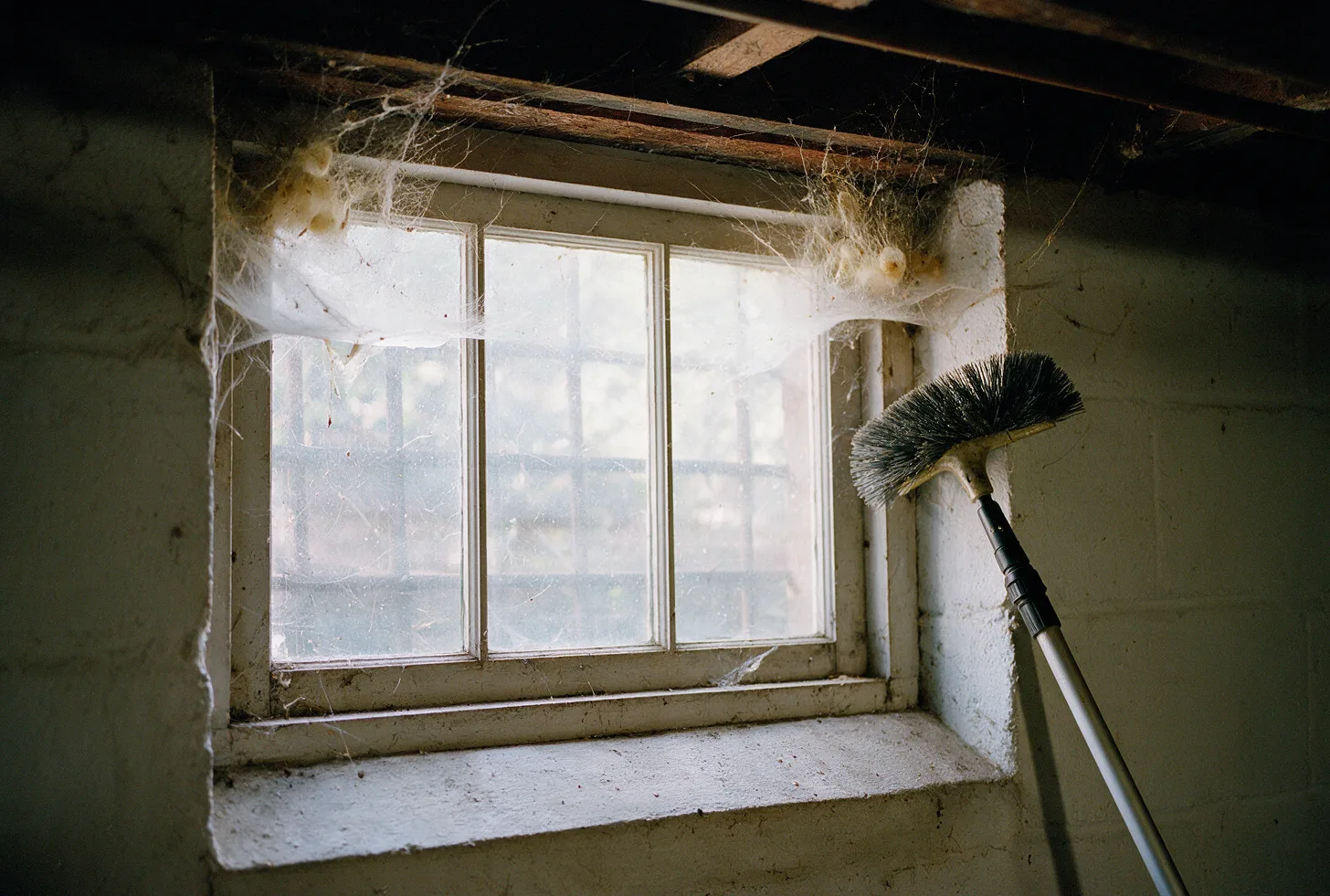
Warning Signs of Spider Activity
- Silk webs appear in corners of basements and garages
- Small round egg sacs cluster behind stored items
- Live spiders seen at night near baseboards
- Insect parts accumulate under ceiling joists
- Sticky residue forms on window sills from prey
Common Entry Points and Causes
Spiders follow existing insect trails through foundation cracks wider than one sixteenth of an inch. They also exploit gaps around dryer vents and cable entries where weather stripping has failed. Once inside they settle in dark voids that maintain stable humidity. Our technicians measure these openings during every inspection to decide which require mechanical sealing versus targeted dust application.
Overgrown vegetation touching exterior walls creates bridges that spiders use to reach eaves and soffits. Standing water in gutters or low spots near the house increases flying insect numbers that serve as food. Removing these bridges and water sources reduces the incentive for spiders to remain near the structure.
Technician Inspection Steps
Technicians begin at the foundation and work upward, checking expansion joints, weep holes, and sill plates for active webs and prey remains. They use a bright headlamp angled across surfaces to reveal fine silk lines that daylight hides. Attic insulation is parted in several locations to locate egg sacs and spider retreats near roof penetrations.
Crawl spaces receive special attention because moisture and limited airflow create ideal conditions. Technicians record temperature and humidity readings at multiple points to identify zones that support spider survival. These measurements guide placement of monitoring glue boards that track population changes after treatment.
Treatment and Exclusion Options
Technicians apply dust formulations into wall voids and behind baseboards where liquid sprays cannot reach. Cracks receive a measured amount of residual product chosen for the spider species observed. Web removal follows so any new construction is visible during follow up visits. Exclusion focuses on installing door sweeps and sealing utility entries with copper mesh and caulk.
Attic treatments use a fine dust blown into insulation rather than surface sprays that can disturb settled particles. Exterior perimeter applications target the foundation footer and lower siding where spiders hunt at night. All products are placed only in areas confirmed to harbor activity.
Homeowner Preparation Before Arrival
Clear a three foot path along baseboards in each room so technicians can inspect without moving furniture. Move stored items away from walls in the garage and basement to expose potential harborages. Note any rooms where sightings occur most often and mark those locations for the technician.
Turn off attic and crawl space lights before the visit so technicians can use their own lighting to spot silk. Avoid using foggers or over the counter sprays that scatter spiders deeper into voids. These preparations allow focused treatment on the actual infestation sites.
Spider Control questions
How do spiders enter a structure?
Spiders move through foundation cracks, utility gaps, and vents that lack proper screening. They follow insect prey and settle in dark stable voids. Technicians identify and close these routes during service visits.
What areas receive the most attention?
Inspections concentrate on the foundation perimeter, sill plates, attic insulation near penetrations, and crawl space joists. These locations consistently hold webs and egg sacs. Measurements of temperature and humidity confirm which zones support populations.
Can homeowners reduce spider numbers themselves?
Vacuuming webs and egg sacs plus removing clutter limits visible activity. Sealing obvious exterior cracks prevents additional entry. These actions prepare the property but do not replace targeted void treatments.
What materials are placed during service?
Technicians use dusts inside voids, residual liquids along baseboards, and copper mesh for exclusion. Glue boards monitor remaining activity. Product placement follows direct evidence of spiders rather than blanket application.
Schedule Spider Control
Contact Spartan Pest Solutions to inspect entry points and treat spider harborages across the USA.