
Ant Control in the USA
Spartan Pest Solutions addresses ant invasions by identifying the specific species and its food preferences. Our technicians follow worker trails back to the nest location, noting whether the ants seek protein, sugars or moisture. They measure trail width and activity level to gauge colony size before selecting bait formulations that workers carry inward.
Moisture around foundations often draws ants indoors. Technicians check irrigation lines, gutters and low spots that keep soil damp. They locate cracks in slabs or expansion joints where ants gain access and note any nearby trees or shrubs touching the structure that serve as bridges. When droppings appear homeowners contact Spartan Pest Solutions regarding ant control control inside buildings in the USA.
Common Indicators of Ant Presence
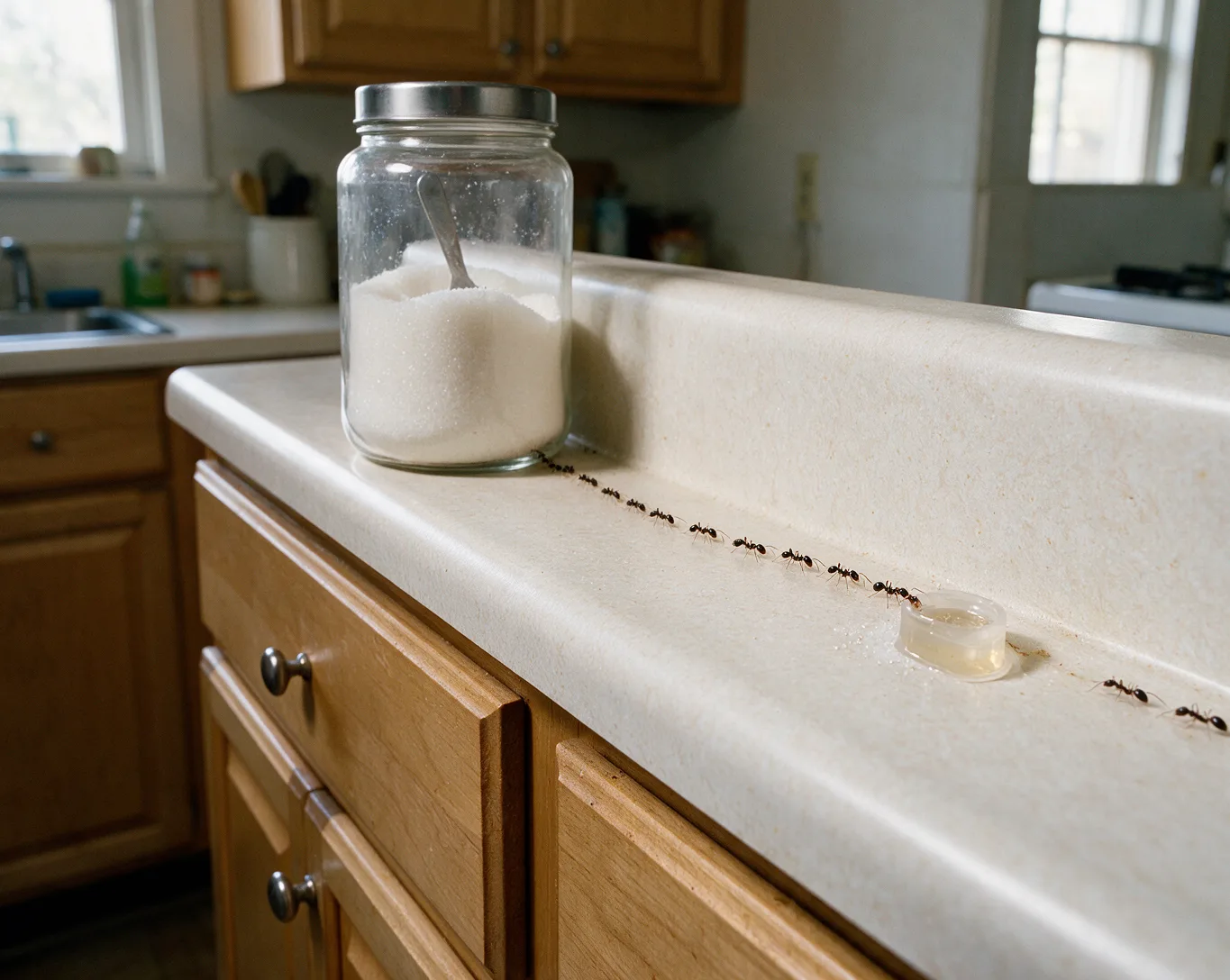
- Single file lines of ants traveling between food areas and wall voids during daylight hours.
- Small piles of fine sawdust or frass near baseboards where carpenter ants excavate galleries.
- Sweet or musty odor released when pavement ants are crushed near kitchen counters.
- Winged reproductive ants emerging from indoor cracks during spring or after heavy rain.
- Repeated ant sightings at the same spot on floors or countertops despite daily cleaning.
Nest Location and Colony Structure
Our technicians map satellite nests and the main colony by observing multiple trail directions. They lift accessible cover objects such as rocks, logs and mulch to find brood chambers. Soil moisture is probed at several depths because many species prefer damp conditions for larval development.
Entry points are measured and recorded. Gaps around utility penetrations, door thresholds and window frames receive particular attention. Technicians note whether ants use exterior vegetation as a highway onto the building.
Bait Selection and Placement Strategy
Bait matrices are chosen according to observed feeding preferences. Protein-based baits are placed near protein-seeking trails while sugar-based gels target sweet feeders. Slow-acting active ingredients allow workers to share the material with queens and larvae before symptoms appear.
Stations are positioned along established routes rather than directly on nests. Interior placements occur only in voids or under appliances where children and pets cannot reach them. Exterior perimeter stations intercept new foragers before they enter.
Sealing and Moisture Correction
After baiting, technicians apply sealant to identified cracks and expansion joints. They use caulk or foam that remains flexible and accepts paint so the repair blends with existing finishes. Door sweeps and weather stripping are installed or adjusted where gaps exceed one quarter inch.
Standing water sources are eliminated by redirecting downspouts or advising removal of plant saucers. Soil grading is checked to ensure water flows away from the foundation rather than pooling against the slab.
Follow-Up Monitoring and Homeowner Steps
Technicians return to inspect bait consumption and trail activity. Fresh stations replace depleted ones until foraging ceases. Monitoring cards are left in key locations to confirm the absence of new workers over subsequent weeks.
Homeowners should remove accessible food crumbs, store pantry items in sealed containers and repair leaking faucets. Pet food bowls are elevated or removed at night. These actions reduce attractants while baits continue working inside the structure.
Ant Control questions
Why do ants keep returning after cleaning?
Ants follow pheromone trails that remain after visible workers are removed. The colony continues sending foragers until the nest is eliminated. Baits must reach the queen and brood for lasting results rather than surface cleaning alone.
How long before bait eliminates the colony?
Slow-acting baits require several days to weeks depending on colony size and species. Workers must transport enough material back to the nest for trophallaxis to occur throughout the population including the queen.
Can I seal cracks before technicians arrive?
Homeowners may temporarily block obvious gaps with tape or caulk to slow entry. However, sealing without treating the colony can cause ants to seek new openings or create satellite nests inside walls.
Do all ants require the same treatment approach?
Different species respond to specific bait types and placement. Carpenter ants favor moist wood while pavement ants nest in soil cracks. Accurate identification determines whether baits, dusts or perimeter applications are used.
Ant Control for Lasting Results
Contact Spartan Pest Solutions to schedule an inspection that locates nests and applies targeted baits across the USA.