
 01
Termite Control
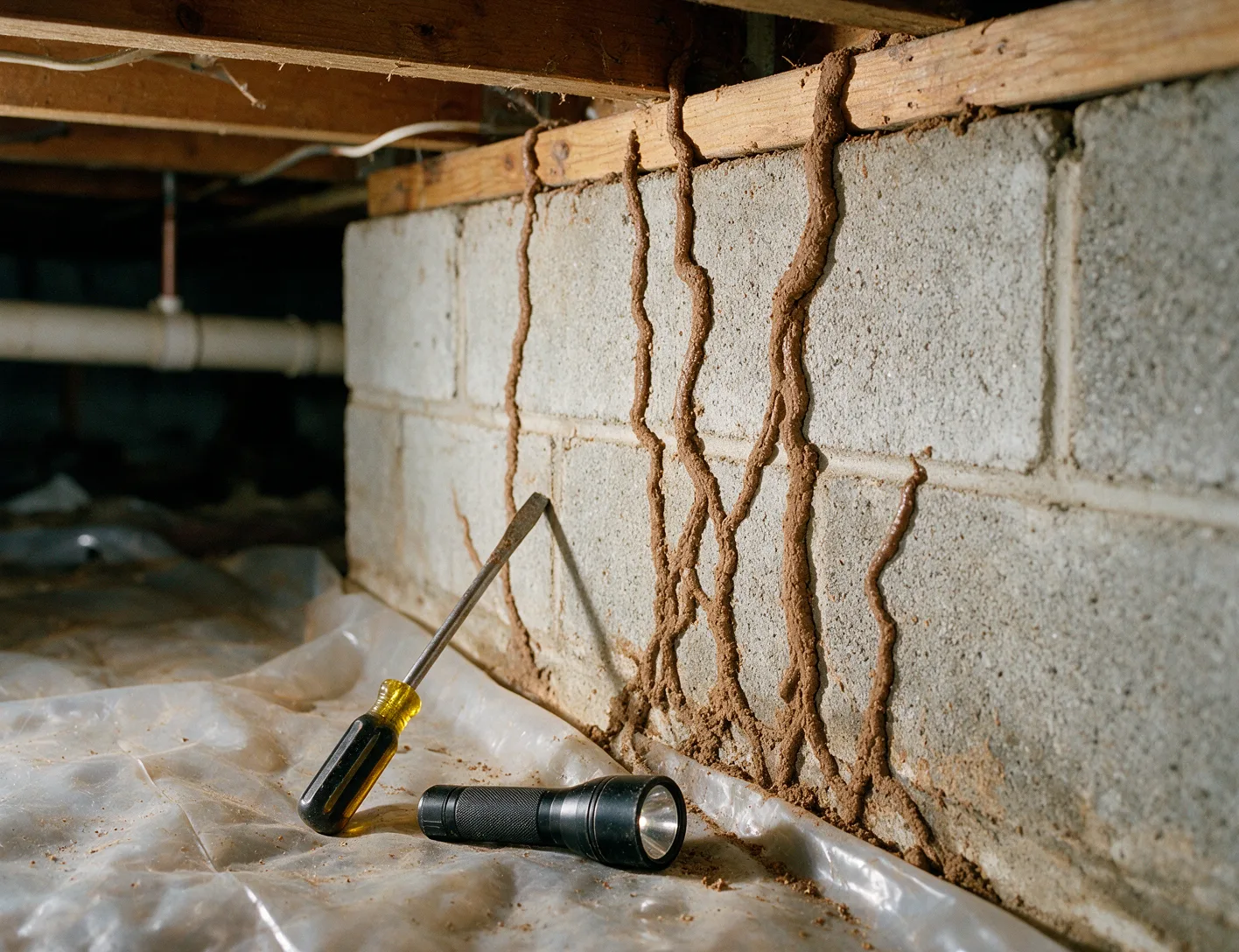
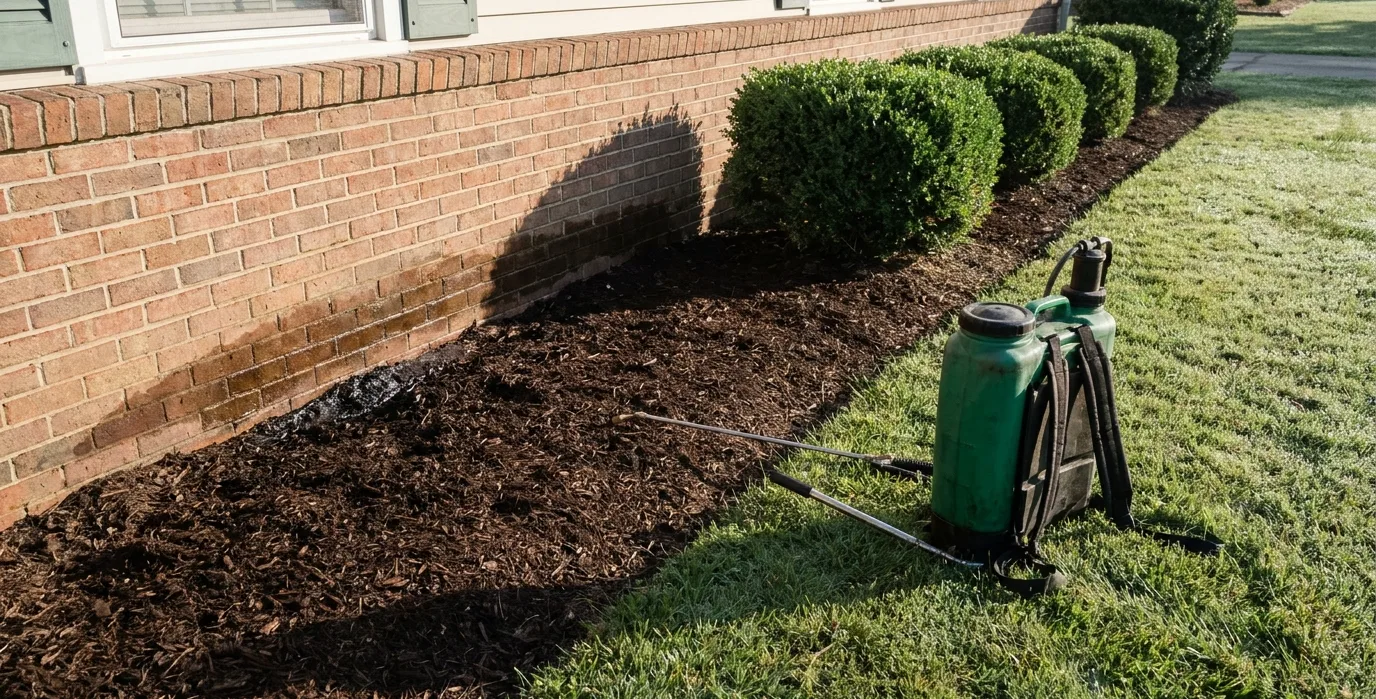
Technicians look for mud tubes on foundation walls and probe wood members for hollow sounds. Soil termiticides are applied to the perimeter trench while foam reaches voids inside the structure where colonies feed.
Pest control · the USA
Spartan Pest Solutions sends technicians to inspect structures, identify active pest species by their habits and harborage, apply treatments at the source, and install monitors to track activity across the USA.
Technicians start by checking foundations, utility penetrations, and attic voids for droppings, frass, or mud tubes before any product is applied.
Treatments focus on active harborage zones such as wall voids behind outlets or soil along slab edges rather than broad surface sprays.
Stationary bait stations and glue boards are placed at known travel routes so return visits can confirm whether activity has stopped.
Each service targets a specific pest with habits that determine where it hides and how it enters a building. Technicians adjust methods based on evidence found during the inspection rather than using one approach for every case.
01Technicians look for mud tubes on foundation walls and probe wood members for hollow sounds. Soil termiticides are applied to the perimeter trench while foam reaches voids inside the structure where colonies feed.
 02
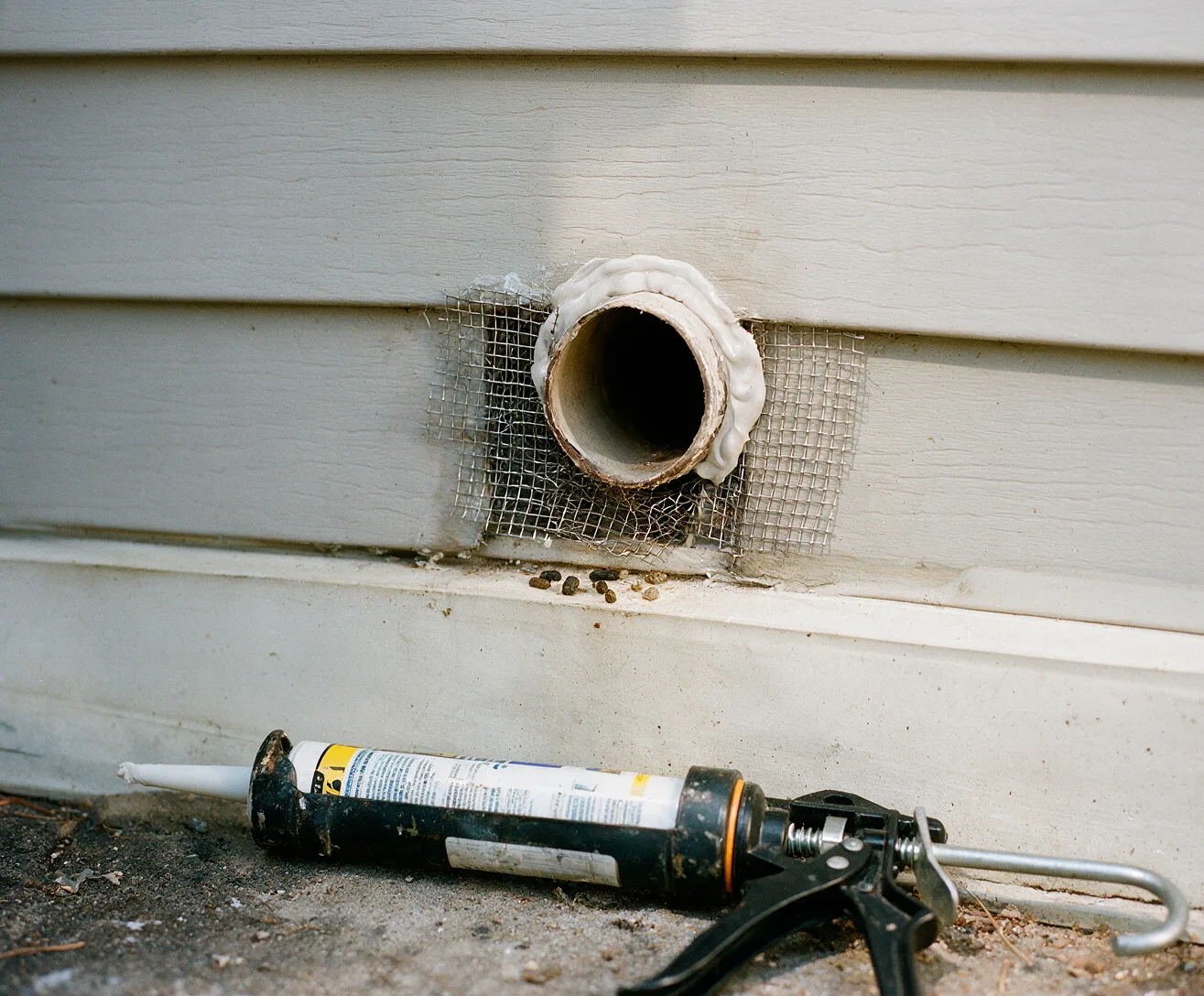
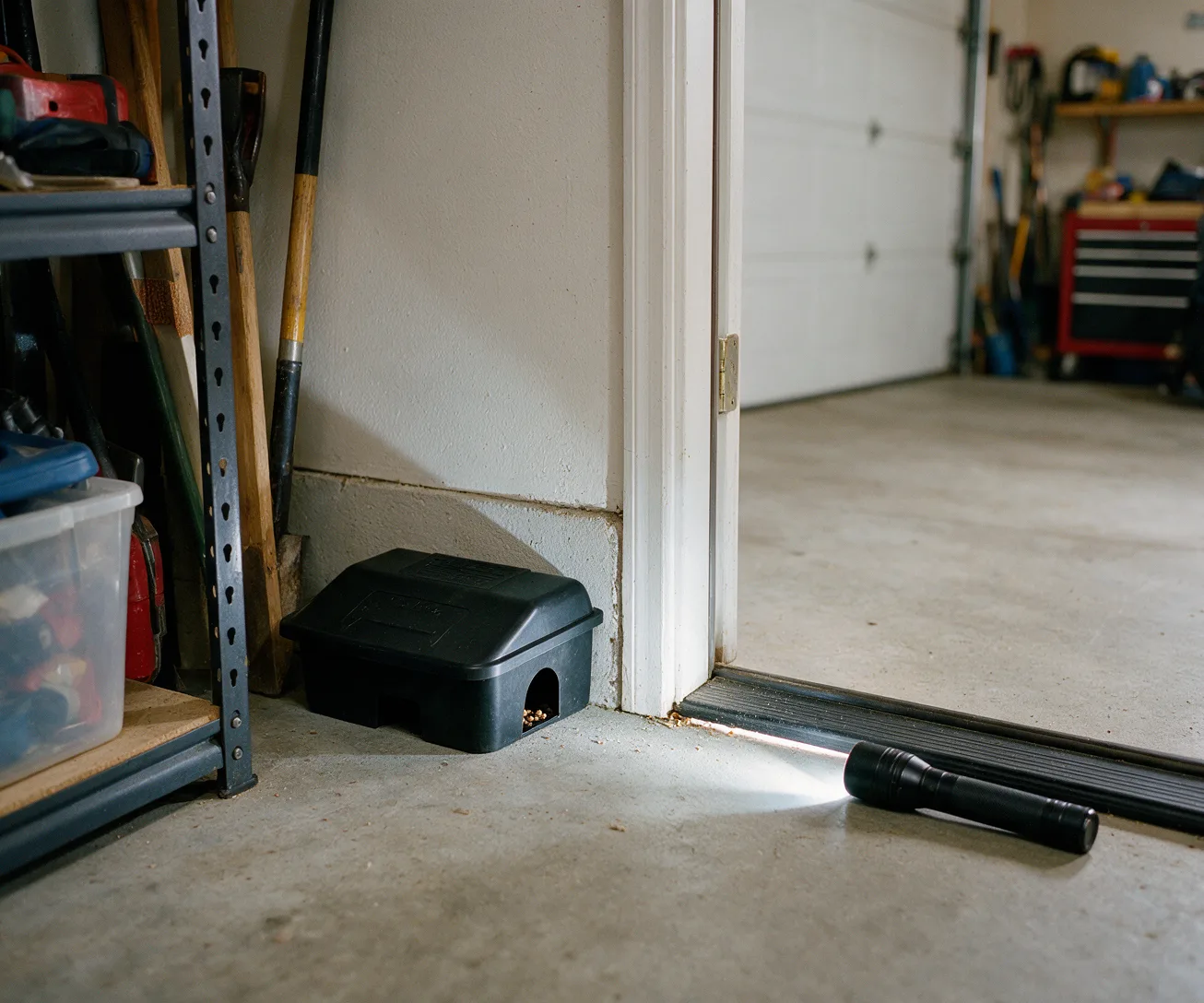
Mice and rats leave grease marks along baseboards and gnaw marks on stored items. Technicians seal entry holes larger than a dime and place locked bait stations along established runways in crawl spaces and garages.
 03
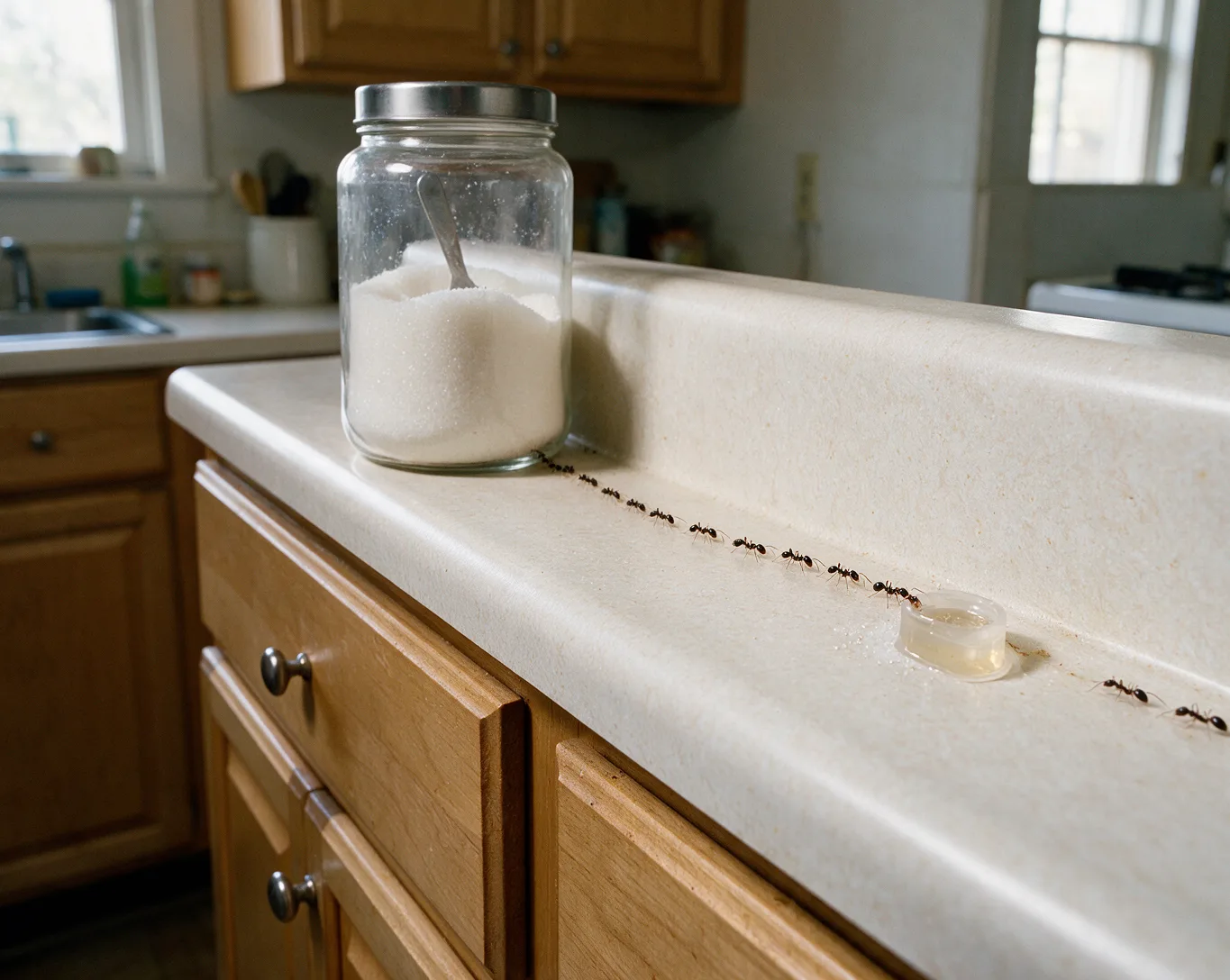
Pavement ants trail along expansion joints while carpenter ants excavate galleries in moist wood. Technicians trace the line back to the nest and apply gel baits that workers carry to the queen.
 04
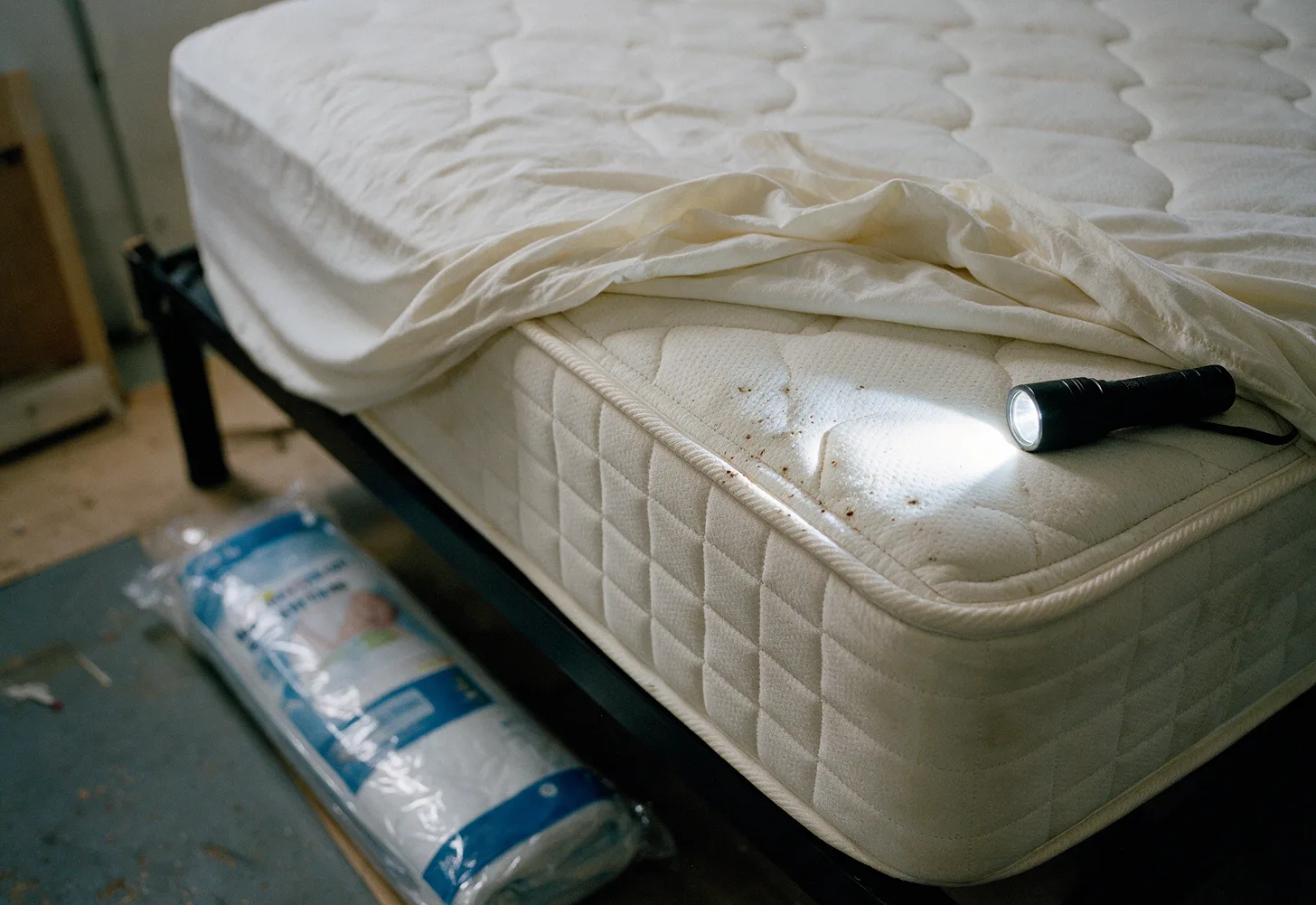
Bed bugs hide in mattress seams, box spring fabric, and behind headboards. Technicians use a flashlight to inspect these crevices, then apply steam or targeted residual products to all resting sites in the room.
 05
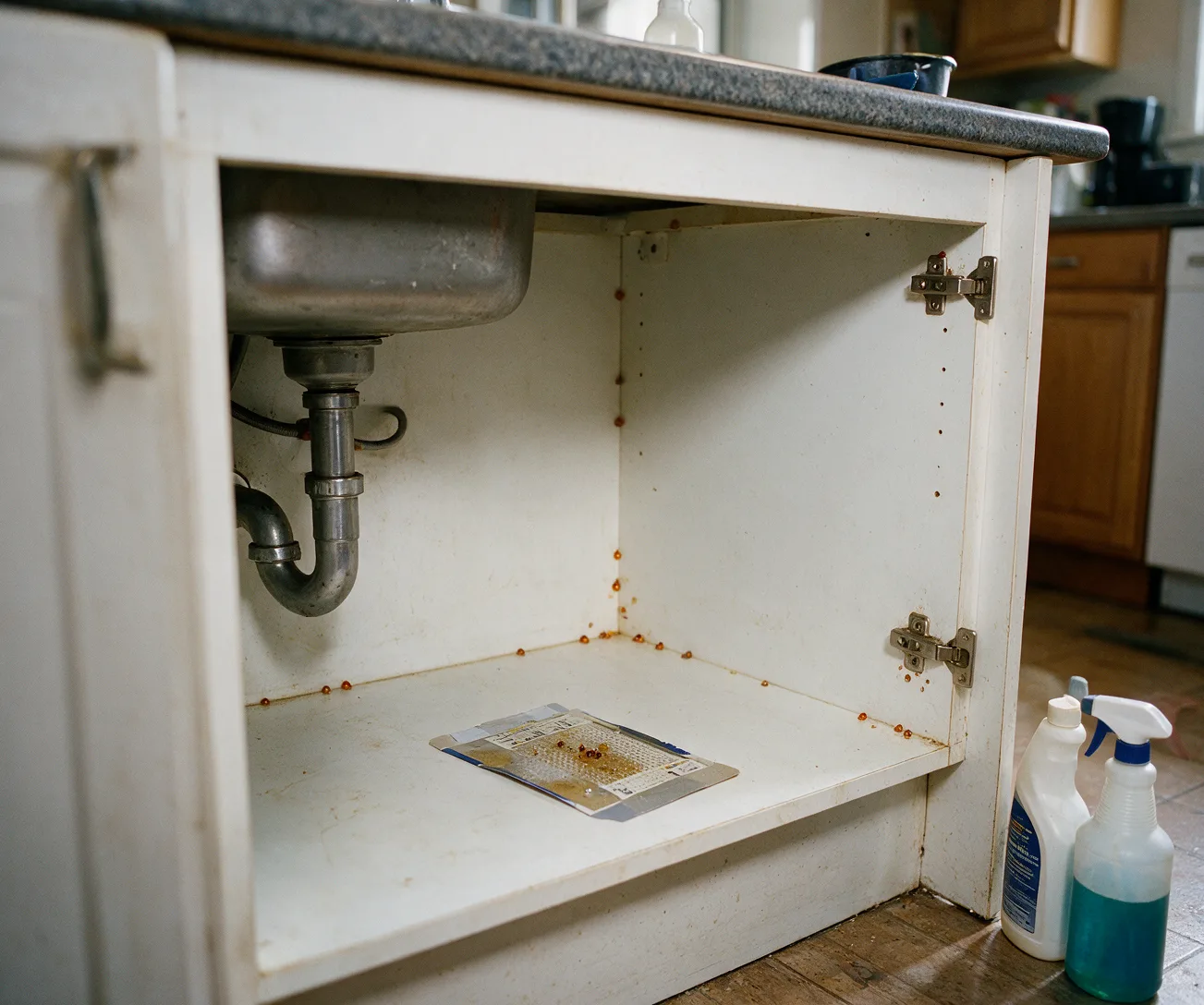
German cockroaches cluster behind appliances and in electrical panels. Technicians place gel bait in small dots near water sources and monitor with sticky traps to measure population decline over successive visits.
 06
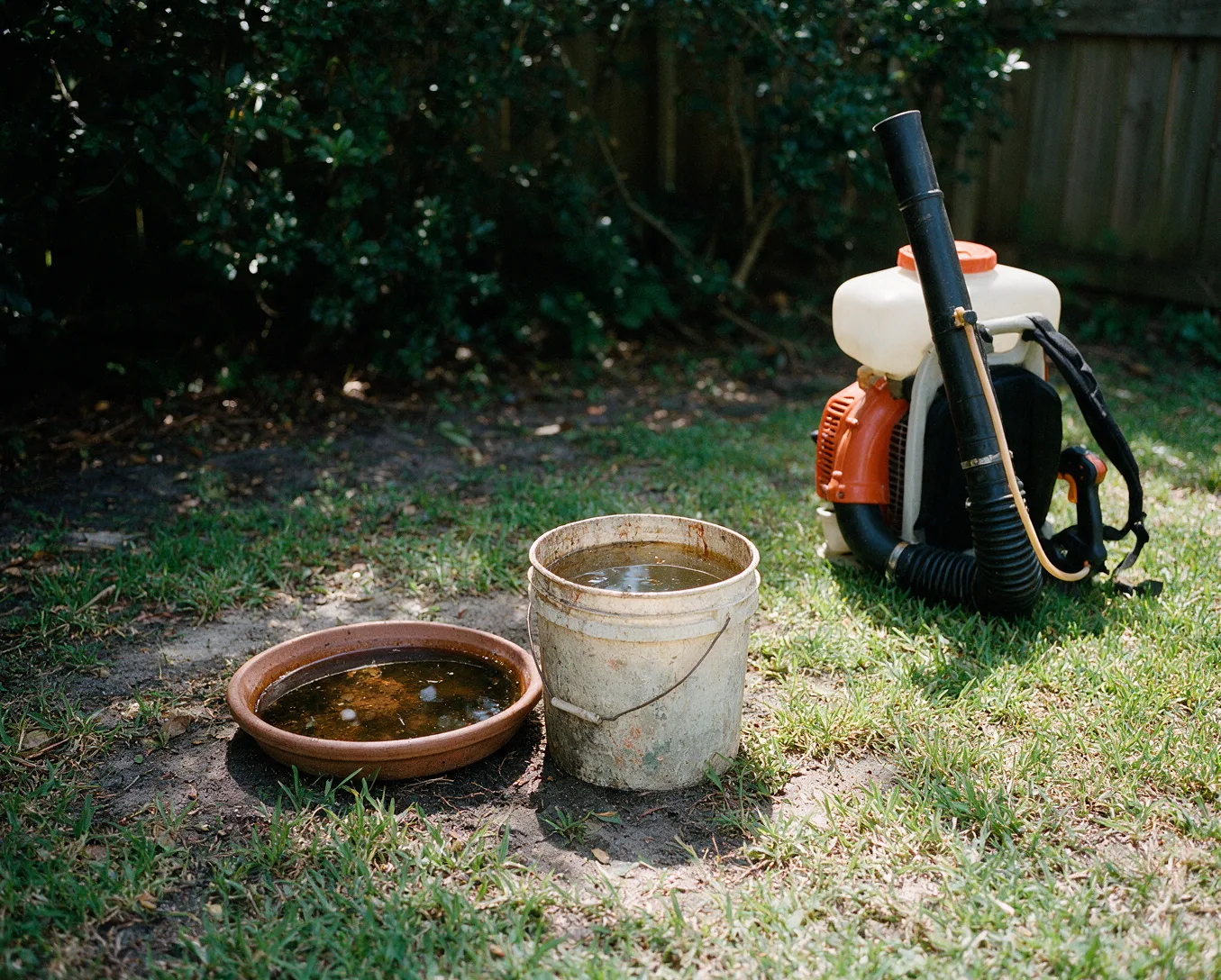
Mosquitoes breed in standing water collected in gutters, birdbaths, and low spots. Technicians eliminate these sources on the property and apply a perimeter barrier spray to vegetation where adults rest during the day.
 07
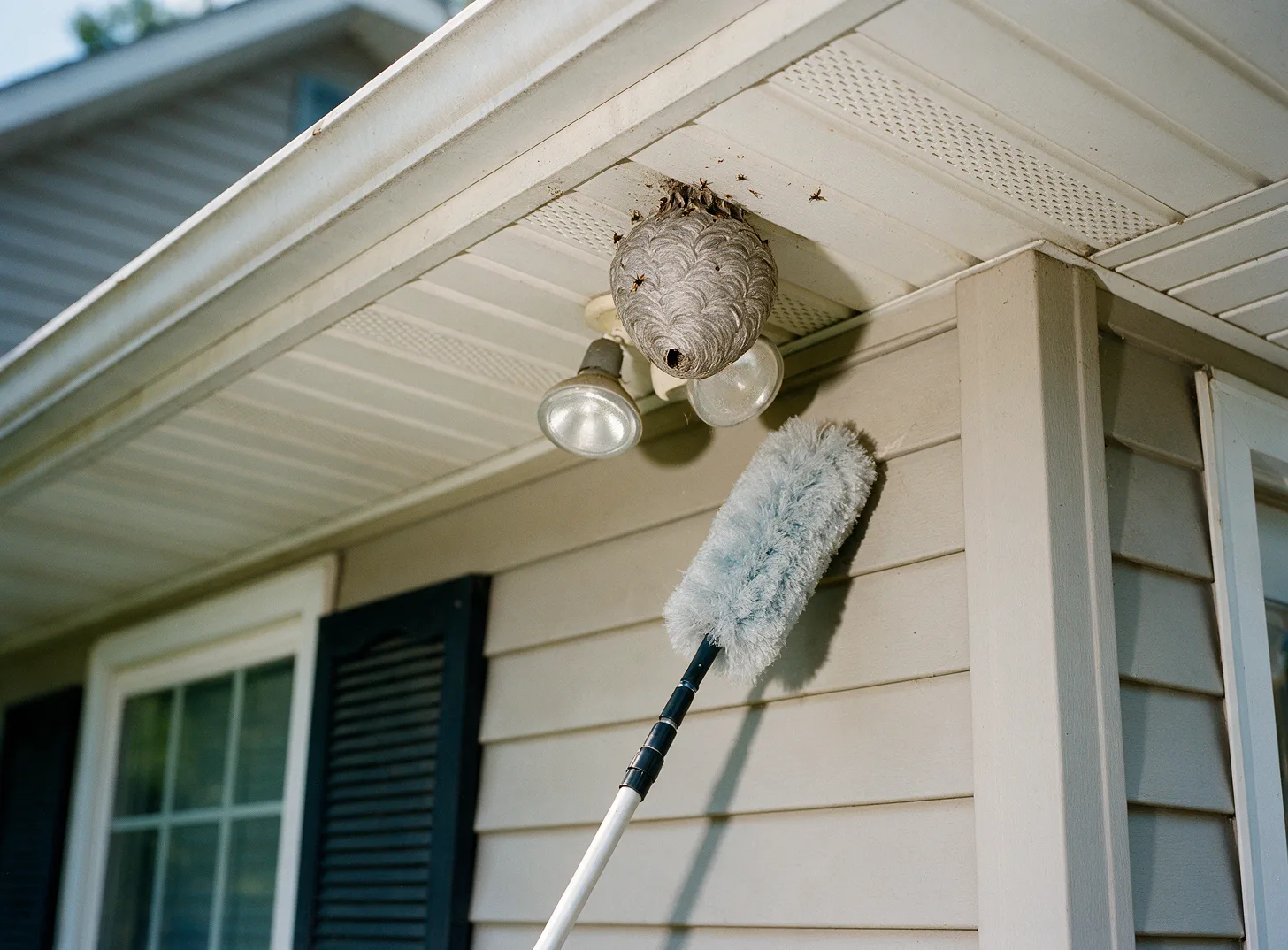
Paper wasps build open combs under eaves while yellowjackets nest underground. Technicians locate the entrance at dusk, inject dust into the colony, and remove the nest once activity ceases.
 08
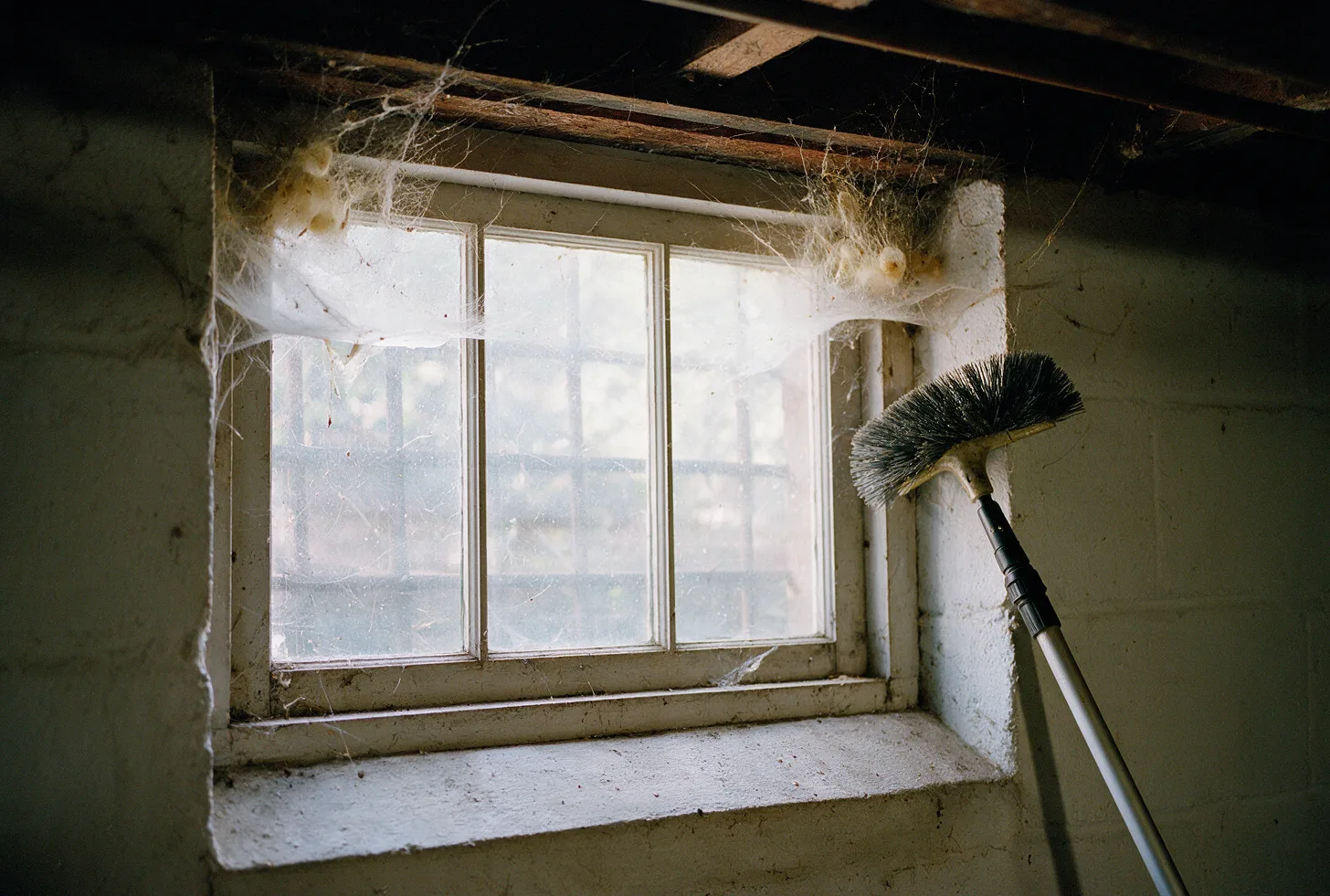
Wolf spiders hunt at ground level while cobweb spiders occupy corners near ceilings. Technicians vacuum visible webs, treat baseboards with residual dust, and reduce outdoor lighting that draws flying prey.
Pest activity shows itself through droppings the size of rice grains near baseboards, small piles of sawdust under joists, or faint clicking sounds inside walls at night. Homeowners notice these signs first when they move stored boxes or turn on lights in seldom-used rooms. Early detection prevents the colony from expanding into additional rooms or floors.
Avoid spraying over-the-counter aerosols that scatter insects deeper into wall voids. Instead, close doors to the affected room and note any new droppings or damaged materials without disturbing the area. Keep pets and children out until a technician arrives and can assess the exact species and extent of the infestation.
Spartan Pest Solutions follows a sequence that begins with evidence collection and ends with verification that activity has ceased. Each step builds on findings from the previous visit.
Technicians examine the structure for species-specific signs such as fecal pellets, shed wings, or moisture trails and record exact locations of each finding.
Products are applied only at active sites including wall voids, soil trenches, and interior cracks where the target pest travels or nests.
Bait stations and glue boards are set along established pathways so return visits can count captures and confirm the treatment is working.
Technicians return to inspect monitors, reapply where activity persists, and seal any new entry points discovered during the second inspection.
Technicians begin at the exterior foundation, checking for gaps around pipes and utility lines. Inside they examine baseboards, under sinks, and attic insulation for evidence such as shed skins or egg cases. Once the source is confirmed they apply product directly into harborage and place monitors along travel paths for follow-up evaluation.
When pests have damaged wood members, technicians probe with an awl to determine whether structural integrity remains. If the damage is limited to surface galleries, treatment plus sealing stops further loss. Extensive hollowing requires removal of the affected section and replacement with new material before any finish work is done.
Cost depends on the square footage of the structure, the number of distinct pest species present, and the accessibility of nesting sites such as crawl spaces or attics. Multiple visits are often required when colonies have multiple queens or when monitors show continued captures after the first application. Properties with heavy landscaping or attached garages add time because technicians must treat exterior perimeters and interior transitions.
Older homes often have multiple layers of siding and numerous utility penetrations that create hidden runways. Technicians map these access points and prioritize sealing over cosmetic areas. In rental units they document findings with photos so property managers can coordinate access and any needed repairs between tenants.
Technicians identify species by examining droppings shape and size, the pattern of damage to wood or fabric, and the location of trails or nests. These details determine whether bait, dust, or liquid is placed and at what concentration.
Move stored items away from walls and clear under sinks so technicians can reach baseboards. Do not clean droppings or vacuum webs because these clues help locate the exact harborage that needs treatment.
Monitors remain in place so the technician can count captures on the next visit. If activity continues the product type or placement is adjusted based on the new evidence rather than repeating the same step.
Most applications occur in wall voids, under appliances, or along exterior foundations. When interior treatments are required they use gel or dust placed in small amounts inside cracks where residents will not contact them.
Technicians note access points and treatment locations on a diagram that property managers can share with future tenants. Follow-up visits are scheduled to match lease turnover so units remain ready for new occupants.
Older construction often contains multiple layers of flooring and siding that create additional runways. Technicians spend extra time mapping these paths and sealing them after treatment to prevent re-entry from exterior voids.
Contact Spartan Pest Solutions to schedule an inspection that maps pest activity and places targeted treatments at the source.