
Rodent Control in the USA
Rats and mice enter buildings through gaps as small as a dime or quarter. They follow pipes, foundation cracks and utility lines to reach food and water. Spartan Pest Solutions technicians trace these routes during every inspection to find where rodents cross from outside into wall voids or attics.
Once inside, rodents chew insulation, wiring and stored items while leaving droppings that mark travel paths. Our crews measure gaps, check for rub marks along baseboards and place traps or bait stations directly on those routes so activity stops without scattering rodents to new areas. Spartan Pest Solutions crews check attics for signs of rodent control activity reported by residents throughout USA.
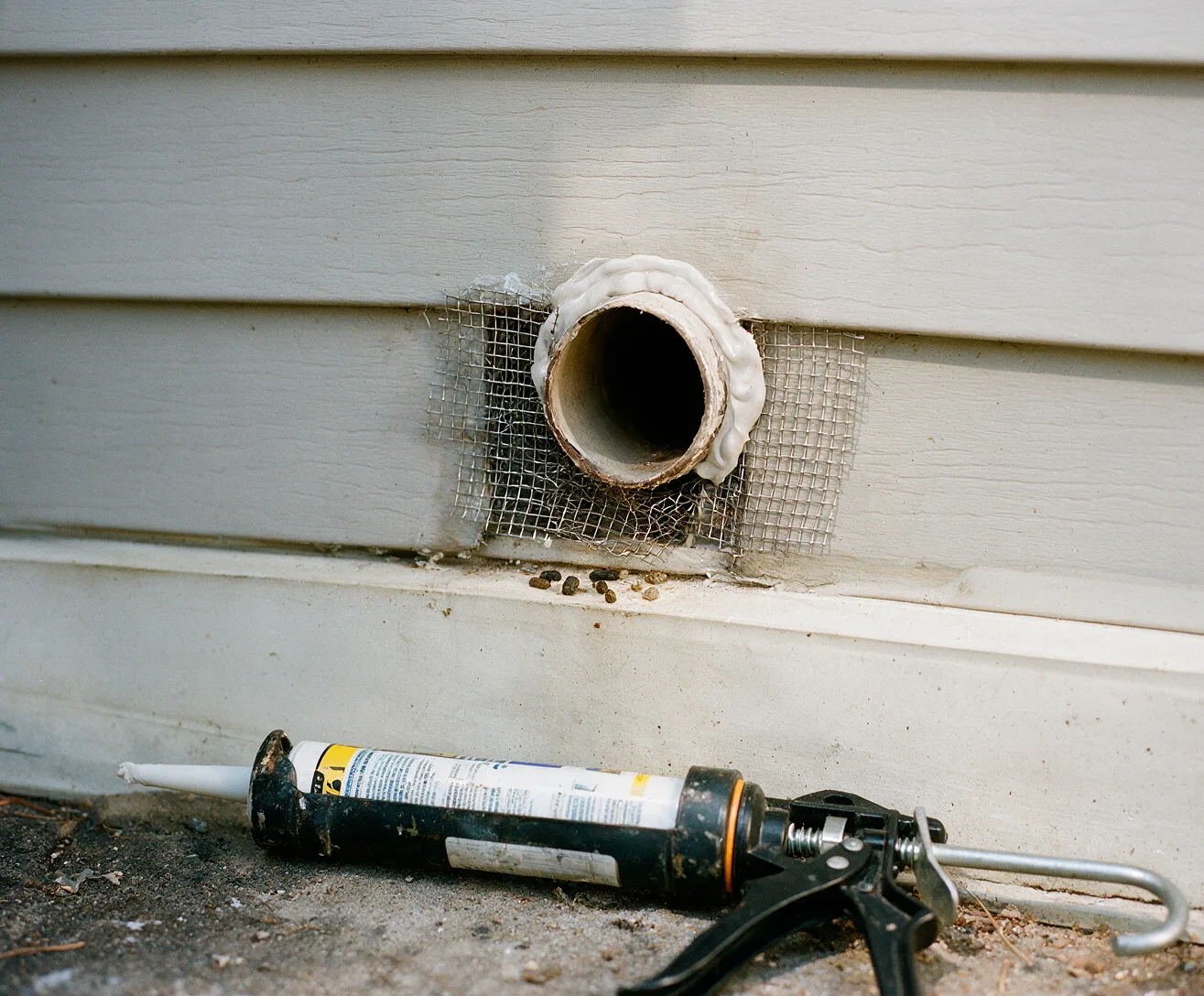
Warning Signs of Rodent Activity
- Dark rice-sized droppings along walls or inside cabinets show recent travel routes.
- Gnaw marks on baseboards, door frames or wiring insulation indicate active chewing.
- Greasy rub marks where rodents brush against pipes or foundation edges.
- Scratching or scurrying sounds in attics or wall voids during quiet hours.
- Nests made of shredded paper or insulation in corners of storage areas.
Common Entry Points and Causes
Technicians begin by checking where soil meets siding, around pipe penetrations and at roof eaves. Mice fit through openings one-quarter inch wide while rats need openings one-half inch wide. Gaps left around cables or vents after construction often become the first routes.
Clutter near foundations and unsealed trash storage supply both cover and food. Rodents travel the same paths repeatedly, so crews look for worn trails in insulation or dust on floor joists that confirm direction of movement.
Spartan Pest Solutions crews document every opening larger than a pencil eraser and note whether the opening connects directly to soil or vegetation that offers shelter.
Inspection Steps Our Technicians Follow
Inspection starts in the crawlspace or basement and moves upward. Crews shine lights along sill plates, measure clearances around plumbing and probe insulation for nesting material. They also lift attic insulation panels to locate droppings or grease trails along rafters.
Outside, technicians check weep holes, exhaust vents and door sweeps. They record which openings show fresh gnaw marks or recent droppings so repairs focus on active routes rather than old ones.
All findings are mapped so sealing work and trap placement follow the same paths rodents already use.
Sealing and Trapping Materials Used
Entry points receive copper mesh or steel wool packed tightly then covered with exterior caulk or expanding foam formulated for pest exclusion. These materials resist chewing and stay in place through temperature changes.
Inside voids and along runways, crews install tamper-resistant bait stations anchored to joists or placed in corners. Snap traps with expanded triggers are positioned perpendicular to walls where rodents travel. Stations and traps are checked and reset on follow-up visits.
No broadcast spraying occurs. All materials stay contained so they affect only the rodents that enter the stations or trigger the traps.
What Homeowners Can Do Before Arrival
Remove open food sources from counters and store dry goods in sealed containers. Wipe surfaces so no crumbs remain that would keep rodents in one location. This forces them to travel farther and increases the chance they encounter placed traps.
Clear clutter away from walls and foundations so technicians can reach potential entry points without moving items. Note any recent noises or droppings and mark the locations for the crew.
Do not attempt to seal every gap before inspection. Leaving openings visible helps crews identify the primary routes that need permanent repair.
Rodent Control questions
How do technicians locate hidden rodent nests?
They follow fresh droppings and rub marks from food areas back through wall voids and into attics or crawlspaces. Insulation is lifted in sections to reveal nesting material without disturbing the entire space until the source is confirmed.
What materials close gaps that rodents can chew through?
Copper mesh or steel wool is packed into openings then sealed with exterior-grade caulk or foam. These resist repeated chewing attempts and stay flexible through seasonal movement of the structure.
Will rodents move to other parts of the building during treatment?
Traps and stations are placed along existing travel routes so rodents encounter them before exploring new areas. Sealing begins only after primary paths are identified to avoid pushing activity into untreated sections.
How often are stations and traps checked after the first visit?
Follow-up visits occur to record activity levels, replace bait or reset traps and confirm that new entry points have not opened. The schedule depends on the amount of fresh sign found during the initial inspection.
Schedule Rodent Control Service
Contact Spartan Pest Solutions to inspect entry points and place targeted traps on active rodent routes.