
Bed Bug Treatment in the USA
Spartan Pest Solutions sends technicians to locate bed bugs that arrive on luggage or used furniture. These flat insects hide in narrow gaps during daylight and emerge to feed on sleeping occupants. Our crews measure infestation extent by checking fabric folds, wood joints, and wall voids before selecting application points that reach eggs and nymphs without broad dispersal.
Technicians focus on heat or residual products that penetrate harborages in headboards and box springs. They seal cracks where bugs travel between rooms and monitor treated zones with interceptors placed under bed legs. Homeowners first remove clutter from sleeping areas so every seam and crevice becomes visible for thorough coverage. Spartan Pest Solutions places monitors along baseboards to track bed bug treatment movement on properties nationwide.
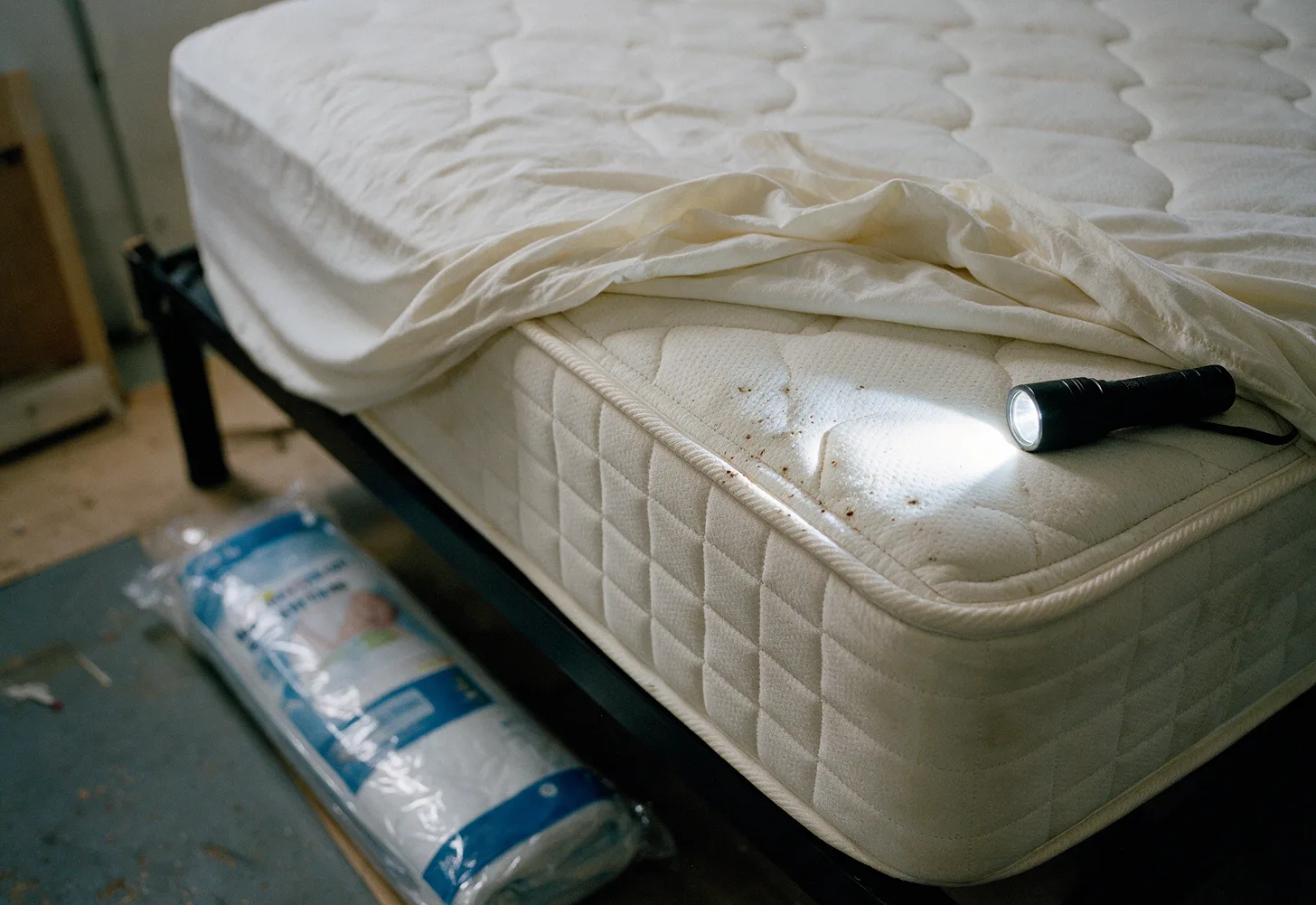
Physical Evidence Technicians Check
- Dark fecal specks along mattress piping and seams
- Pale shed skins tucked in baseboard corners
- Live adults or nymphs visible after dark inspection
- Raised bite marks in linear patterns on exposed skin
- Sweet musty odor near heavily used sleeping furniture
How Infestations Begin and Spread
Bed bugs travel on personal belongings and secondhand items brought into buildings. Once inside they move along walls and conduits to reach bedrooms where warmth and hosts are available at night. Technicians trace these pathways to find secondary sites in adjacent rooms or furniture clusters.
Eggs glued to surfaces hatch within days and require repeated contact with treated zones to stop further development. Our crews note the presence of all life stages during the initial walk-through so every harborages receives direct material placement rather than surface only coverage.
Inspection Points and Measurements
Technicians begin at the bed by lifting sheets and examining the entire perimeter of the mattress and box spring. They use flashlights to check screw holes, staples, and piping for live insects or cast skins. Measurements of distance between harborages help determine whether treatment must extend to nearby dressers or nightstands.
Outlet covers are removed to inspect wiring cavities where bugs rest between feedings. Baseboards receive close scrutiny for gaps that allow movement to other rooms. Every finding is recorded so the treatment plan addresses the full connected network rather than isolated spots.
Materials Applied and Sealing Steps
Residual dusts and liquids are placed into cracks and behind baseboards where contact occurs during nightly movement. Heat units may be positioned to raise temperatures in mattress layers and furniture frames to levels that destroy all stages. Our technicians choose products based on surface type and bug location noted during inspection.
Entry points around pipes and conduits are sealed with caulk to limit future travel. Interceptor traps are installed under bed legs so any remaining activity is captured and counted during follow-up visits. These physical barriers remain in place after material application to confirm reduction.
Actions Before Technicians Arrive
Homeowners should wash all bedding and clothing from the affected room in water heated above 120 degrees and dry on high heat. Items are bagged immediately after drying to prevent reintroduction. Floors are vacuumed with attention to edges and under furniture so loose debris does not interfere with material contact.
Clutter is cleared from under beds and around furniture legs to expose all surfaces. Pets are secured in another area during the visit. These steps allow technicians to reach every seam and crevice without delay once they begin the inspection sequence.
Bed Bug Treatment questions
What preparation is required before Bed Bug Treatment begins?
Wash bedding and clothing from the room in hot water and dry on high heat then bag immediately. Vacuum all floor edges and clear items from under beds so technicians reach every seam and crevice without obstruction during the inspection and material placement.
How do technicians confirm bed bugs are present?
They lift mattresses and examine seams for live insects fecal spots and shed skins. Flashlights reveal activity in baseboard gaps and outlet cavities. Findings from multiple life stages guide the exact placement of dusts liquids or heat to interrupt development.
Which materials reach hidden bed bugs?
Residual dusts enter narrow cracks behind baseboards and inside furniture joints. Liquids treat fabric edges and wood surfaces. Heat units raise temperatures inside mattress layers and frames to levels that eliminate eggs nymphs and adults at once.
What happens after the initial application?
Interceptor traps are placed under bed legs to capture any remaining movement. Follow-up checks count captured insects and confirm reduction. Additional material is applied only to sites still showing activity until monitoring shows the population has been eliminated.
Arrange Bed Bug Treatment
Contact Spartan Pest Solutions to schedule an inspection of mattress seams and crevices across the USA.